Wood Cabinet Cleaning
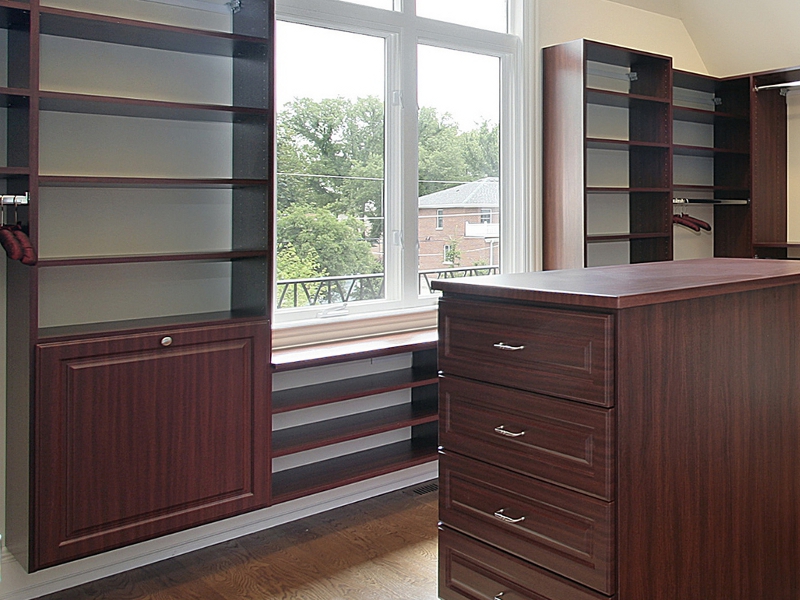
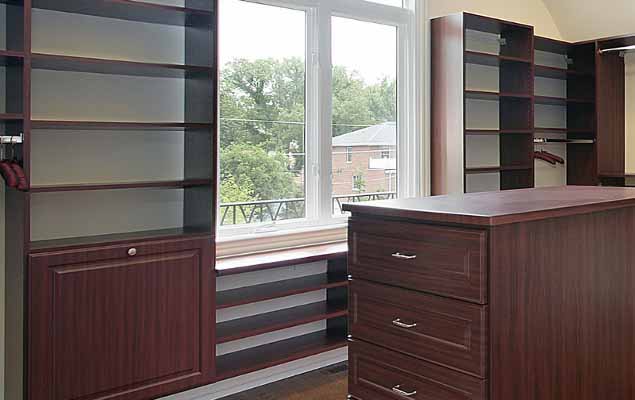
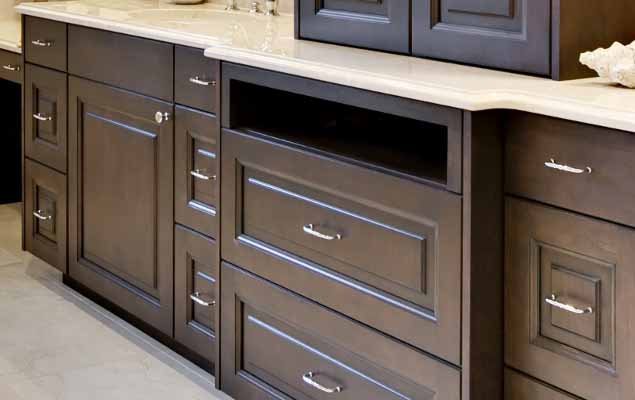
Prep the cabinets for cleaning by removing access dust. Inspect the wood for areas which require deeper cleaning. Gently remove soil
with a damp cloth and immediately dry with a lint-free cotton cloth. Protect the surface with a quality mineral oil polish to barrier the
wood from dirt and moisture, and make the wood surface last longer.
- Avoid aerosol spray polishes and finishes which contain wax, petroleum, and silicone as it may cause wax film buildup.
- Immediately wipe liquid spills with a damp cloth then use a lint-free cotton cloth to dry the surface.
- Apply UV inhibitors on the surface to protect your wooden cabinets from ultra violet rays in natural sunlight.
For harder to remove stains, remove them by using a mild detergent and warm water and don't forget to dry the surface immediately. Pads with rough surfaces and powdered cleansers should be avoided.
Call GD Laminates for Repairs
410-558-2305
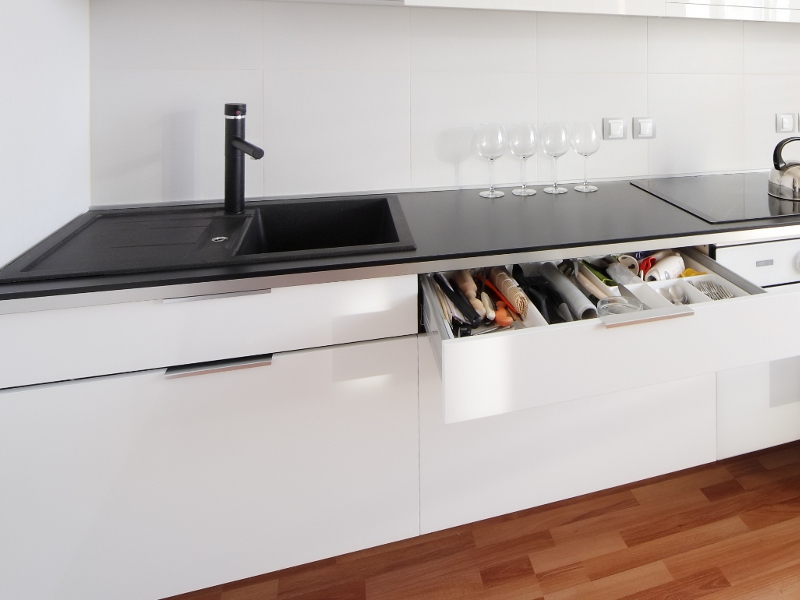
Laminate Cabinet Cleaning
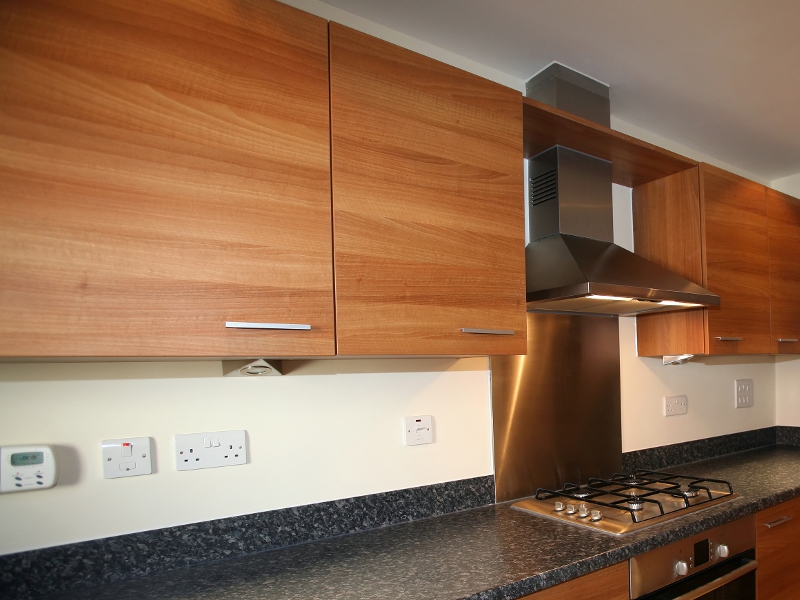
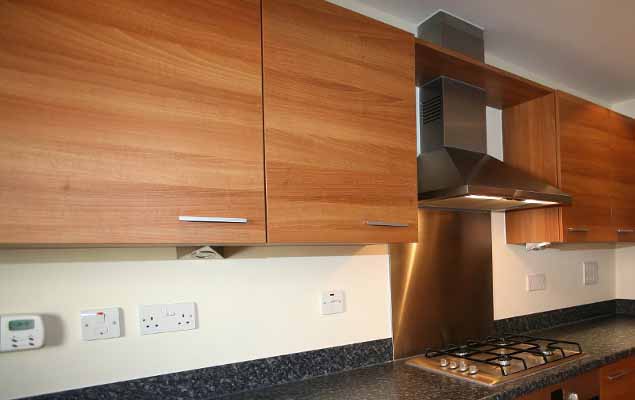
Laminate wood cabinets are easy to clean and maintain with warm soapy water and a sponge or soft cloth. After wiping the cabinets, immediately dry to prevent peeling and buckling of the laminate surface.
- Clean spills as they happen to prevent the liquid to further seep through the surface.
- Vinegar and water can be used for deeper cleaning. Place the cleaning solution in a spray bottle for easier application and immediately dry.
- Never use abrasive cleaners or cleaning pads. They are likely to scratch and damage the surface of the laminate.
Use commercial cleaners with caution. Only purchase cleaners that are free of harsh chemicals to prevent dissolving the laminated surface. Before cleaning the cabinets, always test them first in an inconspicuous place.
Call GD Laminates for Repairs
410-558-2305
Repair Cabinets
Remove minor scratches on wood finish by simply rubbing a solution of lemon juice and olive oil over the dents with a clean lint-free
cotton cloth. Nail holes and cracks can be filled with a wood filler pencil in a matching finish. Epoxy penetrant is a good commercial
wood filler since it is stronger than wood and can be sanded and painted without any problems.
- Promptly repair damages to cabinets to ensure their beauty and longevity.
- Have marking pens readily available to cover scratches.
- Avoid repairing damaged wood with home remedies or harsh chemicals containing ammonia and solvent cleaners.
Contact GD Laminates for significant repair issues, including water stains which have turned white or black. For professional wood
and laminate cabinet restoration, GD Laminates handles millwork repair, cabinetry touch up, laminate repair,
and color matching and finishing.
Call GD Laminates for Repairs
410-558-2305
Cabinets with Glass Doors
Dust off the doors to remove loose debris before applying glass cleaner. For best results, don't directly spray the surface of the glass;
instead, spray a microfiber or lint-free cloth and gently wipe off the wipe the inner and outer surface of the glass. Commercial
cleaners are packaged in spray bottles, making it tempting to spray directly on the glass. This will likely cause the cleaning
solution to seep through the panel corners.
- Avoid cleaning glass under direct sunlight. The uneven drying can leave a filmy residue on the glass.
- It is better to first spray the cleaner on a cloth to risk damaging the laminate or laminate panel corners.
Vinegar and water is a simple yet effective homemade cleaning solution for glass. Two parts water to one part vinegar creates an effective solution. If needed, add more vinegar in the mixture to remove tougher stains.
Call GD Laminates for Repairs
410-558-2305
Cabinet Hardware
Bronze, brass, nickel, and stainless steel hardware should be cleaned with mild soapy water. Apply soapy water to the hardware with a
non-abrasive cloth. Stainless steel knobs, handles, and hinges are more durable and can endure soaking - if needed, up to overnight.
- Before cleaning, it may be best to remove hardware from cabinets to prevent damage to wood or laminate.
- Immediately dry hardware after cleaning to prevent water spotting and possible tarnishing.
- Secure hardware when they become loose to avoid stripping the joinery.
It is important to protect the finish of cabinet hardware. Caution against using harsh chemicals and other cleaning agents that will
dissolve and separate the lacquer plating that protects bronze and brass materials. Also protect hardware from sharp objects
that may cause scratching or denting. To keep handles and knobs from soiling on a daily basis, wash your hands before
touching them especially when using skin creams or lotions.
Call GD Laminates for Repairs
410-558-2305
Laminate Countertops
Laminated countertops can easily be cleaned by washing with mild soap. Remove deeper stains from coffee and tea by using a paste
made from baking soda and household cleaning solution. Use a stiff nylon brush to scrub the area. Tougher stains can be removed
with undiluted household bleach.
- Commonly used products such as food coloring, hair dye, and drainage cleaners can permanently damage laminate countertops. For spilled
dye, wipe the surface immediately using dishwashing soap or all-purpose cleaning agent.
- Never use a laminated countertop as a chopping board as sharp objects can easily damage the surface.
Polish laminated countertops as a regular cleaning routine. A small amount of self-stripping wax will cover small scratches while
adding protection and shine to the countertops.
Call GD Laminates for Repairs
410-558-2305
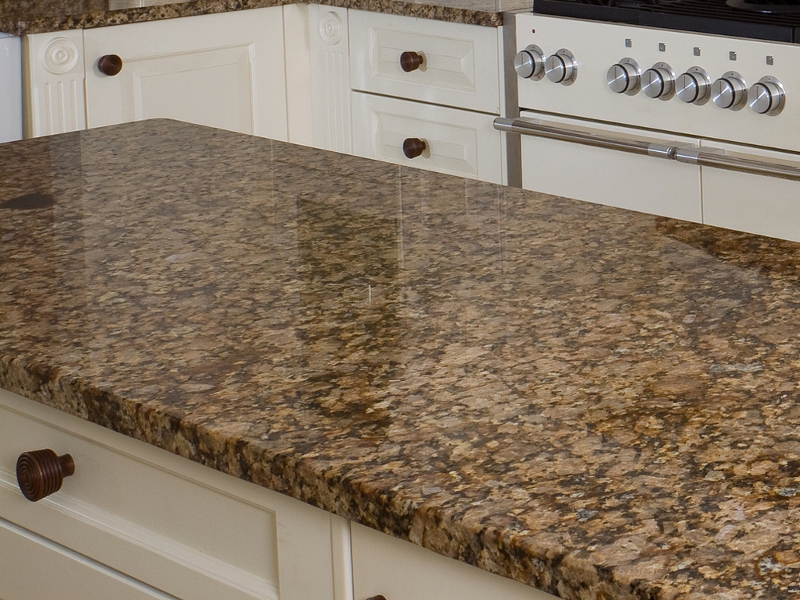
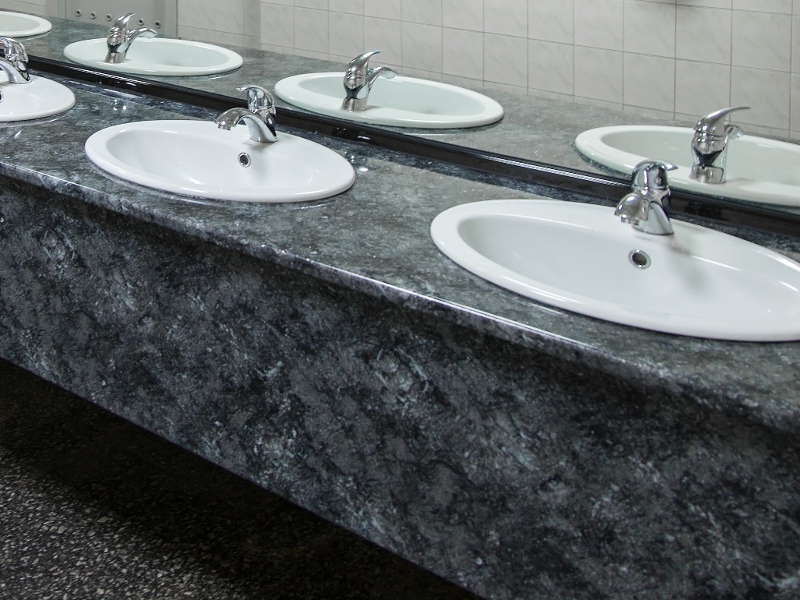
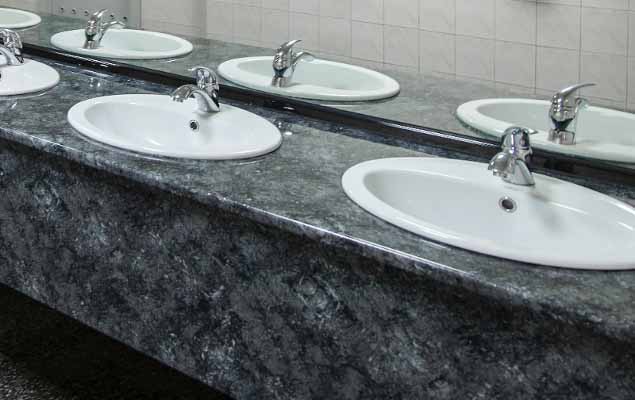
Granite Countertops
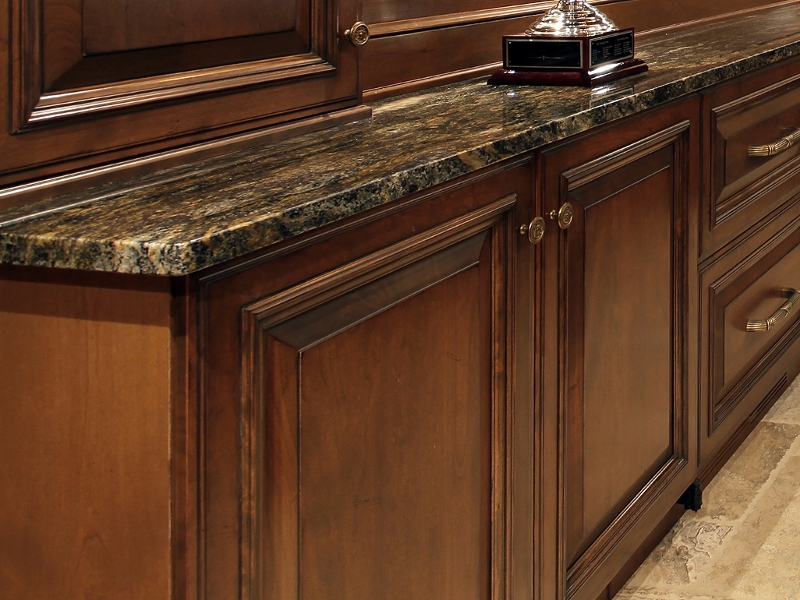
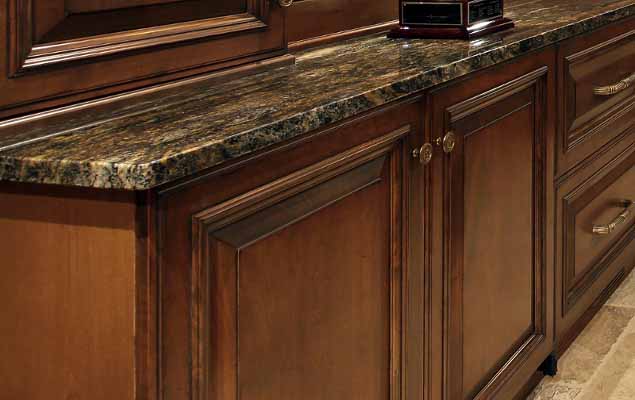
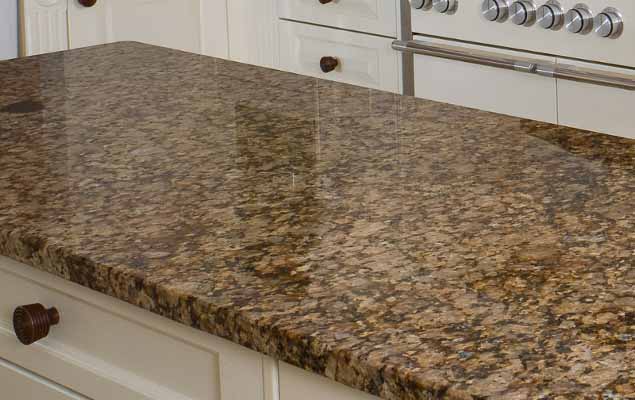
Regularly maintain the quality of granite by wiping with a microfiber cloth to dust off the surface. Wipe the surface at least once a week
with a damp cloth and a stone cleaner with neutral pH. Regular cleaning will prevent dirt build-up. Avoid using cleaners with harmful
chemicals as they can cause granite countertops to be easily become scratched or etched.
- During daily use, place coasters under mugs and glasses to prevent scratching the granite surface.
- Granite countertops require sealant maintenance. Monitor the granite's need for a new coat of sealant by periodically giving it a water bead test.
Water splashed on granite which no longer beads on the surface indicates need for sealant. It should be reapplied about every two years.
- Inspect granite countertops at least once a year for cracks, stains, scratches, shifting or any other damage.
To remove persistent, oily stains, use flour or baking soda mixed with dish soap to create a cleaning putty that will absorb the stain.
Place the mixture on the oily stain and keep it wrapped with a plastic cover overnight before washing away the putty.
Call GD Laminates for Repairs
410-558-2305
 410-558-2305















 gdlaminates.com